Trying to choose between a home with vintage character and a brand-new build in Lemont? You are not alone. This is one of the more important decisions buyers face here because Lemont offers a true mix of older homes and newer construction, not just one dominant style. If you want to understand how charm, maintenance, efficiency, and long-term costs compare, you are in the right place. Let’s dive in.
Why this choice matters in Lemont
Lemont gives you more than one path to homeownership. According to the CMAP community snapshot for Lemont, the median year built is 1994, with 13.7% of homes built in 2010 or later, 47.5% built between 1990 and 2009, and 9.1% built before 1940.
That mix matters because it creates a real side-by-side comparison. You can find homes with older architectural details, and you can also find newer properties built with current standards in mind. In a community where 76.2% of homes are single-family detached and 87.2% are owner-occupied, your decision often comes down to lifestyle and ownership priorities.
Historic homes in Lemont
Lemont’s older homes connect directly to the village’s long history. The Village of Lemont history page notes that the Illinois & Michigan Canal began in 1836 and was completed in 1848, while Joliet-Lemont limestone became a major local building material used across the region.
That background helps explain why some parts of Lemont feel more layered and distinct than newer outer-ring suburbs. If you are drawn to masonry details, established streets, and homes that reflect the village’s earlier growth, older housing may have strong appeal.
What historic charm can offer
Older and historic-style homes often attract buyers who want personality that is hard to replicate in new construction. You may find distinctive exterior materials, original design details, and a stronger sense of connection to Lemont’s past.
For some buyers, that charm is the whole point. A home with character can feel more individual, and it may offer opportunities to update interior spaces while keeping the features that make it stand out.
What to know about Historic District rules
If a property is located within Lemont’s Historic District, exterior changes are not always simple. The Historic Preservation Commission page explains that the district was created in 2001 and includes the downtown commercial district plus adjacent residential areas.
For homes in that district, visible exterior work may require review through a Certificate of Appropriateness. That can include changes to façades, roofs, windows, porches, and additions. For you, that means renovation plans may need extra time and coordination before work begins.
Renovating an older home
Older homes can offer value-add potential, but they usually require a more careful approach. If you want to modernize a kitchen, rework a layout, or improve energy performance, the project may involve more planning than it would in a newer home.
That does not make older homes a poor choice. It simply means the ownership experience can be more hands-on, especially if preserving visible exterior character matters to you.
Lead-safe updates matter
If you are considering a home built before 1978, lead-based paint is an important factor. The EPA’s lead safety guidance states that homes built before 1978 are more likely to contain lead-based paint, and renovation or repair work can create hazardous dust if lead-safe practices are not used.
This is one of the clearest differences between older housing and new construction. A charming older home may come with more specialized contractor requirements and additional prep work when updates are made.
Infrastructure can affect ownership costs
When you compare homes by age, look beyond the house itself. The Village of Lemont’s combined sewer system information notes that some older areas still have combined sewer systems, while that design is no longer used in new construction.
The village also states it is working to separate combined systems into sanitary and storm systems in historic areas. That does not mean an older home is automatically a problem, but it does mean neighborhood infrastructure should be part of your decision.
New construction in Lemont
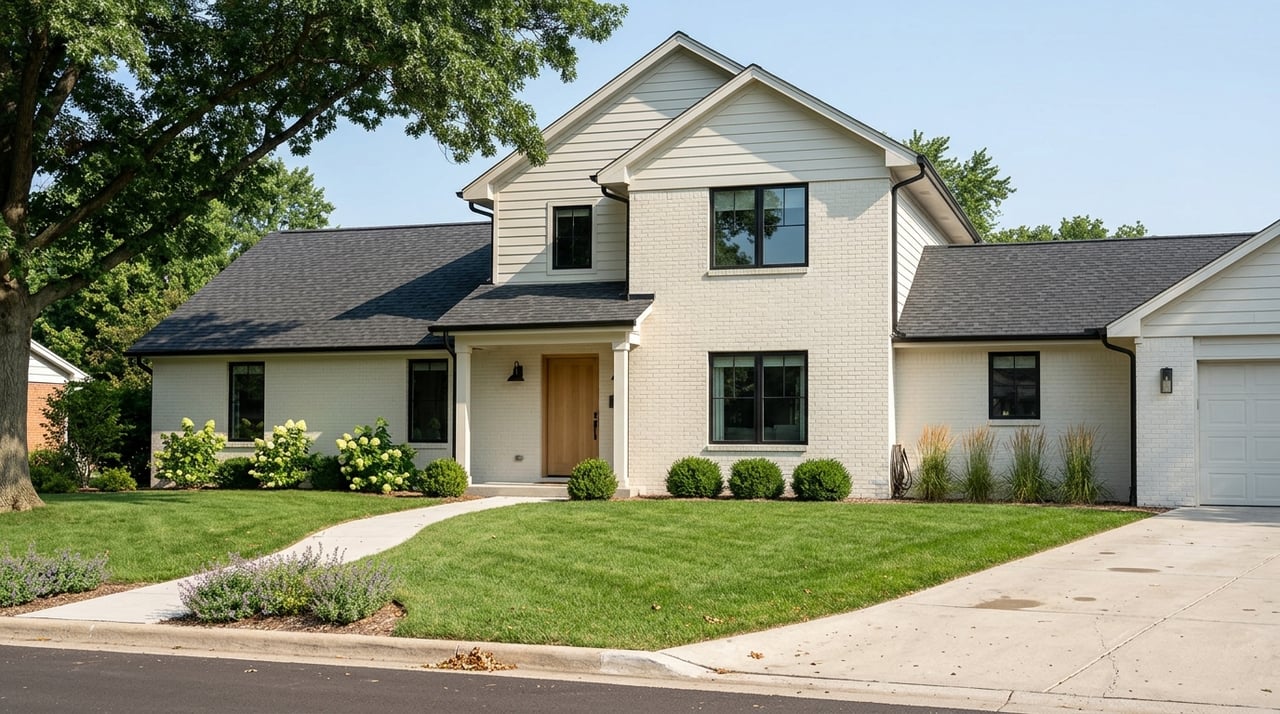
New construction tends to appeal to buyers who want more predictability. In many cases, the biggest draw is not style alone. It is the combination of newer systems, current code compliance, and less chance of facing major replacements right after closing.
If your priority is a more standardized buying experience, a new build may check a lot of boxes. The tradeoff is often a higher upfront price for that added convenience and efficiency.
What newer homes usually deliver
One of the biggest advantages of new construction is energy performance. The EPA’s residential energy efficiency guidance says ENERGY STAR certified new homes are at least 15% more energy efficient than homes built to current code and typically 20% to 30% more efficient with additional features.
The same EPA guidance also notes that well-designed and enforced energy codes can create more than 30% in cost-effective energy savings at the time of construction compared with standard practices. For you, that can translate into lower utility demands and fewer immediate upgrades.
The inspection process is more structured
New construction also follows a more defined path before move-in. The Village of Lemont inspection process shows that residential new builds go through inspections for footing, foundation, underground plumbing, rough framing, rough HVAC, insulation, final building inspection, and then a Certificate of Occupancy.
That structure gives buyers a more standardized process. While no home is maintenance-free, the steps involved in new construction reduce some of the guesswork that can come with much older properties.
The tradeoff with new builds
A newer home can reduce near-term repair risk, but it does not eliminate ownership costs. You still need to budget for maintenance, utilities, and property taxes.
In simple terms, new construction often packages many future costs into the purchase price. You may pay more upfront for newer systems and current standards, while gaining a lower chance of immediate big-ticket replacements.
Comparing long-term costs
The right choice in Lemont is not only about aesthetics. It is also about how you want to manage your monthly budget and future projects.
Older homes and new construction often have different cost curves. One may cost more over time through upgrades and specialized work, while the other may cost more at purchase but require fewer near-term fixes.
Property taxes matter in both cases
Property taxes are a major part of affordability in Lemont. The Village of Lemont tax profile lists a sample 2023 Cook County tax rate totaling 6.890 per $100 of equalized assessed value.
That matters whether you buy a historic-style home or a new build. When comparing options, your monthly payment should include more than principal and interest. Taxes can be a significant part of the full cost picture.
Older homes can have a different budget rhythm
Older homes often need more planning for renovation work, especially when lead-safe practices or Historic District review are involved. Infrastructure-related considerations may also shape your long-term spending.
At the same time, older homes are not locked into higher operating costs forever. The EPA notes that existing homes can often be improved through audits, air sealing, insulation, and other retrofit measures.
New homes can lower early surprise costs
A newer home may help reduce the chance of immediate repairs tied to roofing, HVAC, insulation, or plumbing systems. That can make budgeting feel simpler in the first several years of ownership.
Still, simpler does not always mean cheaper overall. Your purchase price, tax bill, and everyday upkeep still deserve a careful look.
How to decide what fits you best
The best choice usually comes down to how you want to live in the home, not just how the home looks on day one. If you enjoy character, custom projects, and the idea of owning a property with local history, an older home may be a strong fit.
If you prefer efficiency, code-based construction standards, and fewer immediate projects after move-in, new construction may align better with your goals. Neither option is universally better. The right answer depends on how you weigh charm, flexibility, predictability, and long-term costs.
A practical way to compare options
When you tour homes in Lemont, try comparing them through the same lens:
- Upfront cost: What is the purchase price difference?
- Near-term repairs: Are any major systems close to replacement?
- Renovation plans: Do you want to update right away?
- Energy performance: Will efficiency affect your monthly budget?
- Location details: Is the property in the Historic District or an older infrastructure area?
- Tax impact: How does the annual property tax fit your budget?
Looking at homes this way can make your decision feel less emotional and more practical. It also helps you focus on the ownership experience, not just the listing photos.
Whether you are leaning toward a historic home with character or a newer property built for efficiency, having local guidance can make the decision much clearer. If you want help comparing Lemont homes through the lens of condition, long-term cost, and lifestyle fit, connect with Tim Sullivan for a personalized consultation.
FAQs
What makes Lemont a good place to compare historic homes and new construction?
- Lemont has a meaningful mix of housing eras, with a median year built of 1994 and homes ranging from pre-1940 properties to newer construction built in 2010 or later, according to CMAP.
Can you renovate an older home in Lemont?
- Yes, but if the property is in Lemont’s Historic District, visible exterior changes may require review through the Village’s Certificate of Appropriateness process.
What should you know about lead-based paint in older Lemont homes?
- If a home was built before 1978, the EPA says it is more likely to contain lead-based paint, so renovation or repair work may require lead-safe practices.
Are new construction homes in Lemont more energy efficient?
- They can be, especially if they include ENERGY STAR certification or other efficiency features, which the EPA says can improve energy performance compared with homes built only to code.
Do older neighborhoods in Lemont have different infrastructure considerations?
- In some older areas, combined sewer systems still exist, and the Village notes that this design is no longer used in new construction.
Are newer homes in Lemont always cheaper to own?
- No. Newer homes may reduce near-term repair risk, but property taxes, purchase price, utilities, and ongoing maintenance still shape total ownership cost.