Wondering how much you should update before listing a historic Lemont home? It is a smart question, because today’s buyers often want a home that feels cared for and functional, but they also notice the original details that give older properties their charm. If you want to protect character, avoid unnecessary work, and make a strong first impression, a clear prep plan can help. Let’s dive in.
Why Lemont homes need a different approach
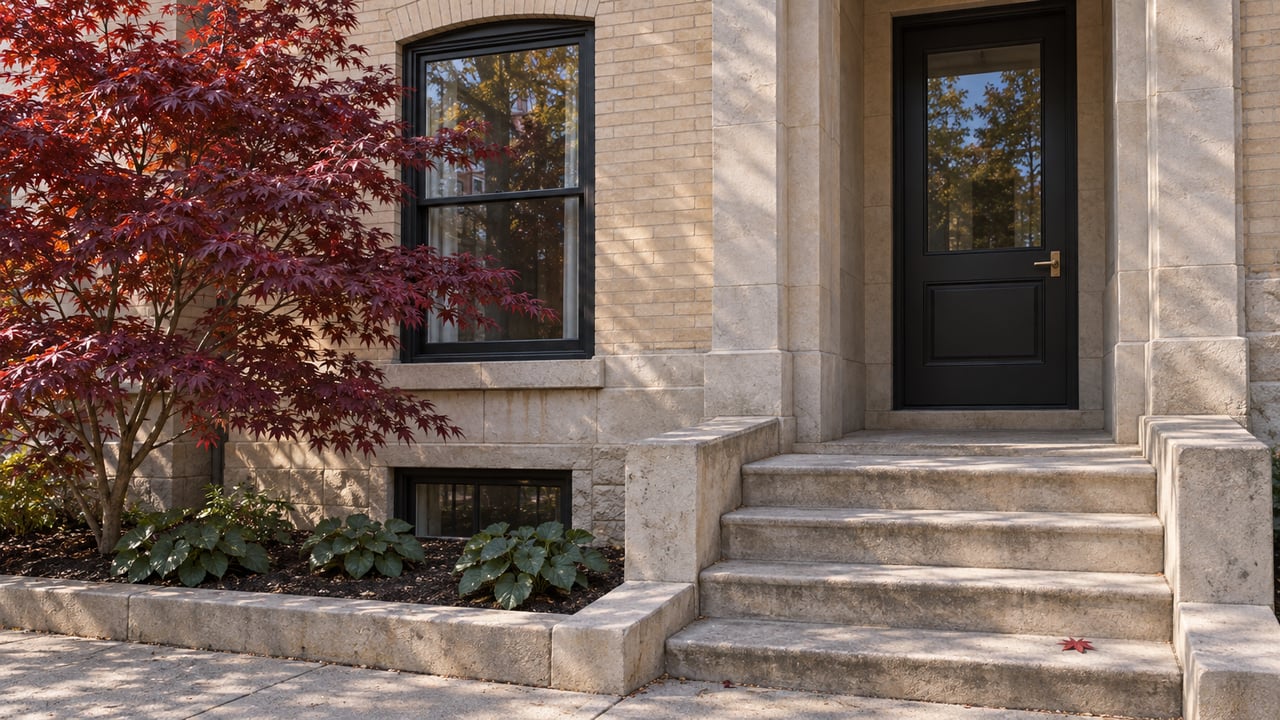
Lemont is not just another suburb with older housing mixed in. The Village points to roots going back to 1836, incorporation in 1873, a downtown listed on the National Register of Historic Places, and a local identity shaped by limestone architecture.
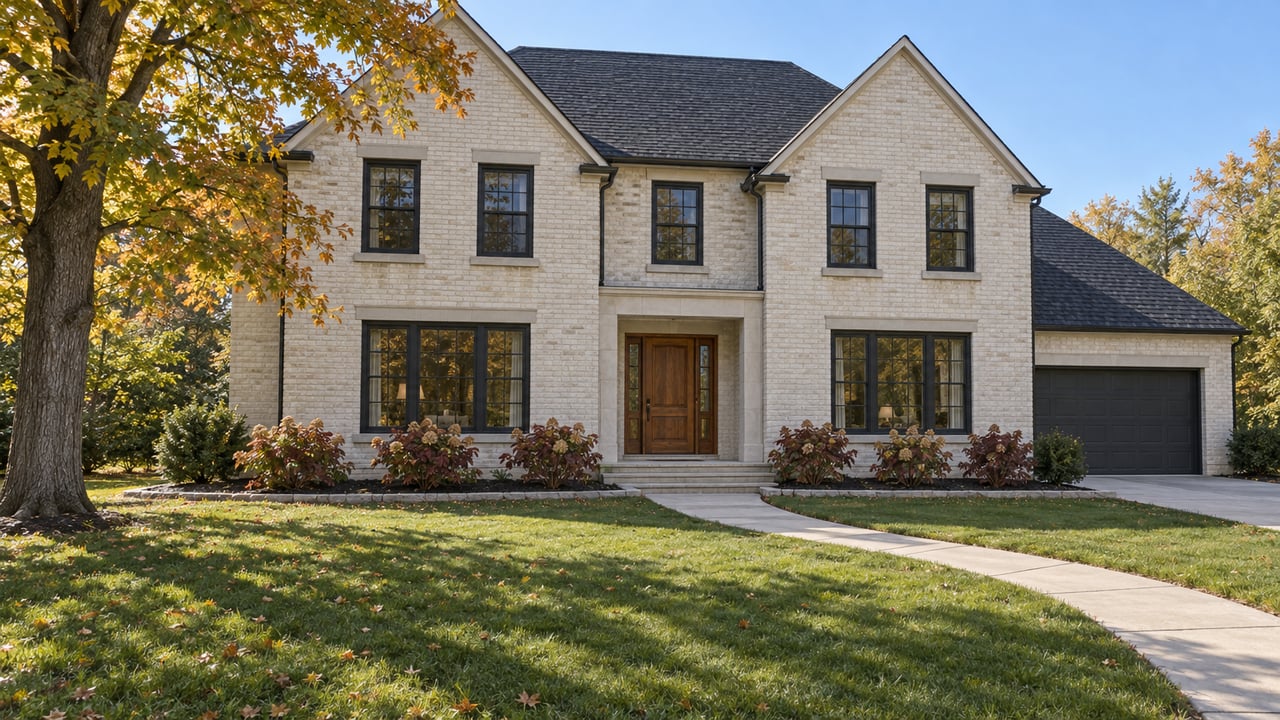
That matters when you sell. In Lemont, a home’s exterior appearance, materials, and maintenance history can be part of the value story right alongside layout, updates, and square footage.
Lemont also describes its housing stock as long dominated by single-family detached homes. For sellers, that usually means buyers are paying close attention to curb appeal, upkeep, and how livable the home feels day to day.
In a historic setting, the goal is usually not to erase age. The stronger strategy is often to present your home as well maintained, clean, bright, and ready for its next owner while keeping period features visible.
Start with character and condition
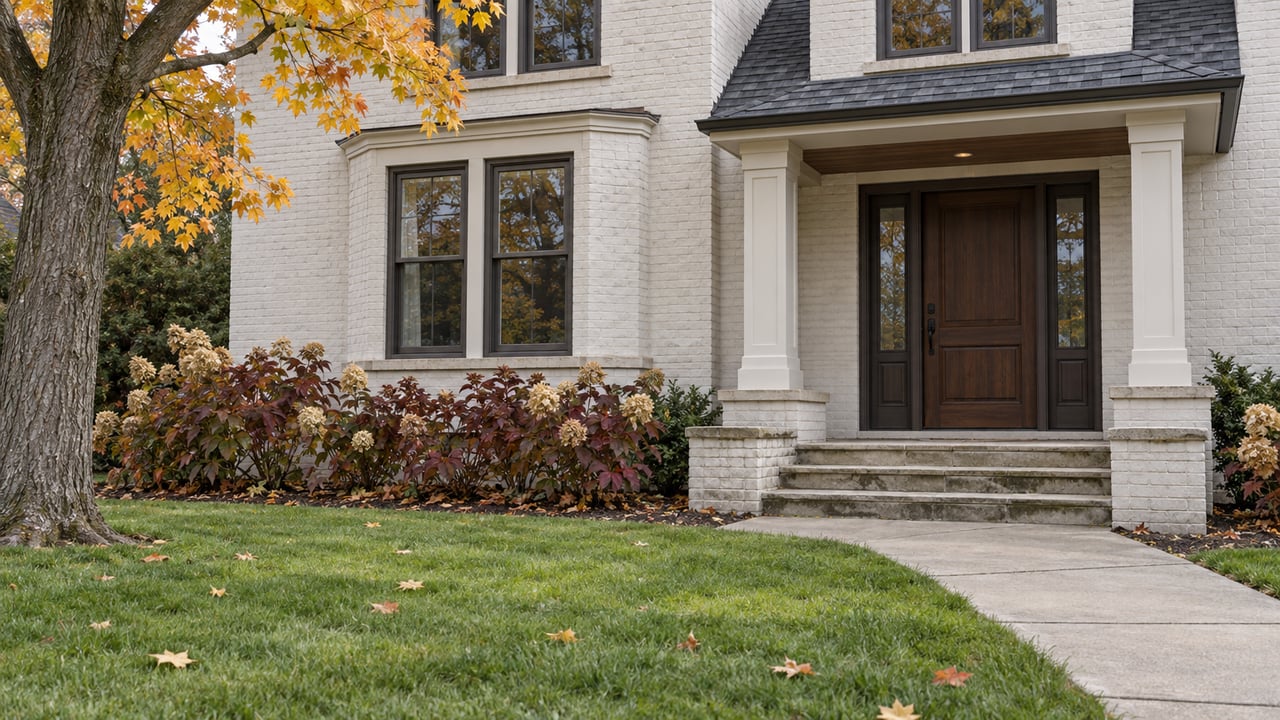
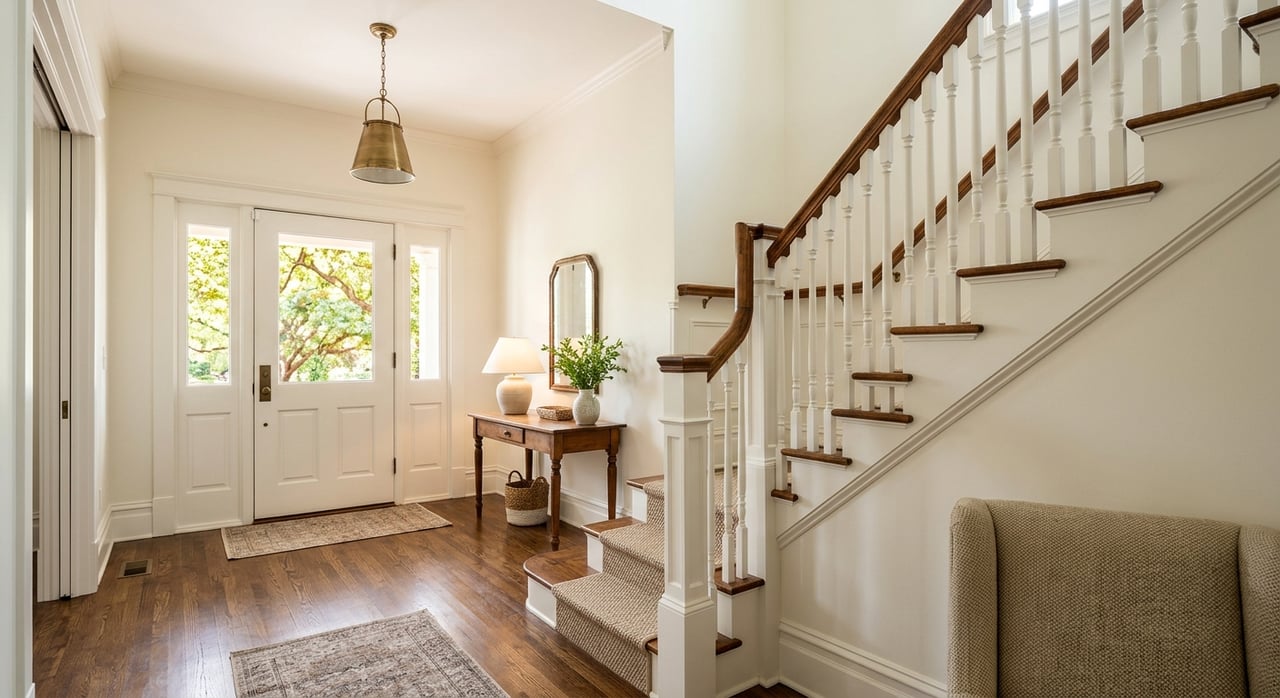
Before you make a big renovation plan, step back and look at what makes your home feel like Lemont. Original trim, woodwork, stone details, and other period features can help your property stand out when they are clean, intact, and easy to see.
That does not mean you should ignore wear and tear. It means your first dollars often go farther when you repair obvious defects, refresh worn paint, improve lighting, tighten loose hardware, and make the home feel move-in ready.
Buyers tend to respond well when an older home feels preserved rather than stripped of personality. A careful refresh usually lands better than an overly aggressive modernization.
Focus on visible maintenance first
Start with the items buyers notice right away:
- peeling or worn paint
- dated or dim lighting
- loose knobs, handles, or hinges
- scuffed walls and tired finishes
- clutter that hides original details
- deferred exterior upkeep
These updates are often less disruptive than major remodels, but they can do a lot to improve buyer confidence.
Check permit and historic review early
One of the biggest mistakes sellers make is starting work before confirming what approvals may be required. In Lemont, the Building Department says most projects require permits and inspections, though minor painting and basic maintenance may not.
The Village also says homeowners may do their own work only if they have lived in the residence longer than six months and sign the homeowner agreement. Otherwise, they must register as a contractor or hire one.
If your home is in Lemont’s Historic District, exterior changes add another step. Exterior alterations go through the Historic Preservation Commission for a Certificate of Appropriateness, and that application is part of the Building Division permit process.
Ask these questions before work begins
- Is the home inside the Historic District?
- Is the work cosmetic maintenance or an actual alteration?
- Will the project require a permit or inspection?
- Can you legally do the work yourself, or should you hire a contractor?
- Could the timeline affect your ideal listing date?
Getting these answers early can help you avoid rework, delays, and unnecessary stress.
Tackle older-home risks before buyers do
Historic homes often come with issues that are manageable when handled early, but stressful when discovered during a contract. A smart pre-listing plan helps you identify concerns before they become negotiation problems.
Lead-based paint concerns
If your home was built before 1978, lead-based paint may be a factor. The EPA says older homes are more likely to contain it, especially homes built before 1940.
For sellers, this matters most when repairs will disturb painted surfaces. Peeling paint, scraped trim, window work, and similar projects should be evaluated before listing so you are not rushing through fixes later.
If work will disturb suspected lead paint, lead-safe practices matter. This is often a good place to bring in a qualified professional instead of guessing.
Radon testing in Lemont
Radon is one of the best pre-listing tests for an older Lemont home. The Illinois Department of Public Health says central and northern Illinois have higher radon levels in soil, and 41% of Illinois homes tested had levels above the EPA action level of 4.0 pCi/L.
Cook County is also in the highest-potential radon zone on the Illinois map. Since testing is the only way to know a specific home’s level, doing it before you list can help you plan next steps instead of reacting during attorney review or inspection.
Illinois also requires sellers to provide the state’s radon pamphlet and disclosure form when aware of radon hazards. That makes early testing even more useful.
Asbestos in older materials
Asbestos was commonly used in building materials before the mid-1970s and sometimes later. It may be present in roof shingles, siding, floor tile, joint compound, adhesives, insulation, pipe wrap, or textured ceilings.
The key point is simple: you cannot reliably identify asbestos by sight alone. If your prep work will disturb old materials, have them assessed first by an inspector or licensed professional.
Lead service lines and plumbing history
Lemont notes that properties built before 1986 may have lead service lines, and the Village asks owners of homes and buildings from that era to identify pipe material. For sellers, this makes water-line history and older plumbing worth reviewing before the home hits the market.
You do not need to panic over age alone. You do want to know what you have so you can prepare clear information for buyers.
Basement moisture and drainage issues
Basement dampness can quickly shake buyer confidence in an older home. In Lemont, that is especially important because the Village describes an older combined sewer area in the original part of town, with systems built in the early 1900s that can overflow during major rain or snowmelt events.
The Village also has rules on how sump and downspout discharge should be routed away from foundations and property lines. Before listing, it is worth correcting grading problems, extending downspouts where needed, and addressing signs of moisture so buyers do not assume the worst.
Know which rooms to stage first
You do not need to stage every corner of the house to make a strong impression. The National Association of Realtors’ 2025 staging report found that 83% of buyers’ agents said staging made it easier for buyers to visualize the home as their future residence.
The same report found that the most commonly staged rooms were the living room, primary bedroom, and dining room. In a historic Lemont home, those spaces often carry much of the home’s character, so they deserve extra attention.
Prioritize these spaces
- living room
- primary bedroom
- dining room
In those rooms, focus on light, scale, and flow. Decluttering, right-sized furniture, and better lighting can make original architecture feel warm and usable instead of crowded or dated.
Let period details stand out
When staging a historic home, less is often more. You want buyers to notice the home’s woodwork, stone, trim, windows, or built-ins without distraction.
That usually means simplifying decor, reducing heavy furniture, and using a clean presentation that helps buyers imagine everyday life in the space.
Decide what is essential versus optional
If you are trying to prepare efficiently, think in order of risk and return. Safety, compliance, and condition issues usually come first. Cosmetic polish and staging come after that.
Here is a practical way to prioritize:
| Priority | What to Address | Why It Matters |
|---|---|---|
| First | permit questions, Historic District review, radon testing | helps prevent delays and surprises |
| Next | peeling paint, suspected asbestos disturbance, plumbing or drainage concerns | reduces inspection issues and buyer concern |
| Then | lighting, paint touch-ups, hardware, deep cleaning | improves first impressions |
| Last | staging living room, primary bedroom, dining room | helps buyers picture living there |
This order helps you spend money where it is most likely to protect the sale.
Know when to stop DIY
Some prep work is simple. Cleaning, decluttering, minor touch-ups, and basic maintenance may be reasonable if allowed and done well.
But once the work may disturb lead paint, old materials, plumbing, electrical systems, drainage, or exterior historic elements, it is time to slow down. In Lemont, mistakes can lead to more than a messy repair. They can also create permit issues, rework, and listing delays.
Bring in a contractor when work involves
- suspected lead paint disturbance
- suspected asbestos-containing materials
- plumbing or water-line questions
- electrical updates
- grading, sump, or drainage corrections
- exterior changes in the Historic District
Why early agent guidance matters
The best time to talk strategy is before repairs begin, not after the receipts start piling up. In a market like Lemont, the question is not just what you can change. It is what will actually help your home show better and sell with fewer complications.
That is where a construction-aware agent can add real value. You want someone who can help you separate essential fixes from optional projects, protect the home’s historic appeal, and sequence the work so you do not waste time or money.
A strong prep plan for a historic Lemont home usually looks like this: confirm district status, verify permit needs, test for radon, review lead and asbestos risks, check water-line and drainage history, then stage the rooms that carry the home’s character. It is a practical approach that respects both the house and today’s buyer expectations.
If you are getting ready to sell and want a smart plan for what to fix, what to leave alone, and how to present your home, Tim Sullivan can help you prepare with local insight, construction-minded guidance, and a clear listing strategy.
FAQs
Does a historic Lemont home need special approval for exterior work?
- If the home is in Lemont’s Historic District, exterior alterations go through the Historic Preservation Commission for a Certificate of Appropriateness as part of the Building Division permit process.
Should you test a Lemont home for radon before listing?
- Yes, early radon testing can be helpful because Cook County is in the highest-potential radon zone and testing is the only way to know a specific home’s level.
What repairs matter most before listing an older Lemont home?
- Start with safety, permit, and condition items such as peeling paint, drainage concerns, and any work that could disturb lead paint or older materials, then move to cosmetic updates and staging.
Which rooms should you stage in a historic Lemont home?
- The living room, primary bedroom, and dining room are the best places to start because staging in those rooms helps buyers picture living in the home.
When should you hire a contractor for prep work on an older Lemont home?
- Bring in a contractor early if the work involves lead paint, asbestos, plumbing, electrical, drainage, or exterior changes that may require permits or historic review.