Ever wonder whether Lincoln Park feels more like a busy city hub or a quieter neighborhood you can actually settle into? If you are thinking about moving here, downsizing into a condo, or simply trying to picture daily life beyond the postcard views, that question matters. The good news is that Lincoln Park offers a mix that is easier to understand once you look at how people actually move through the neighborhood day to day. Let’s dive in.
Lincoln Park at a Glance
Lincoln Park sits just north of downtown Chicago, with boundaries generally described as Diversey Parkway, North Avenue, Lake Michigan, and the Kennedy Expressway. It is close to downtown, but it does not read like an extension of the Loop.
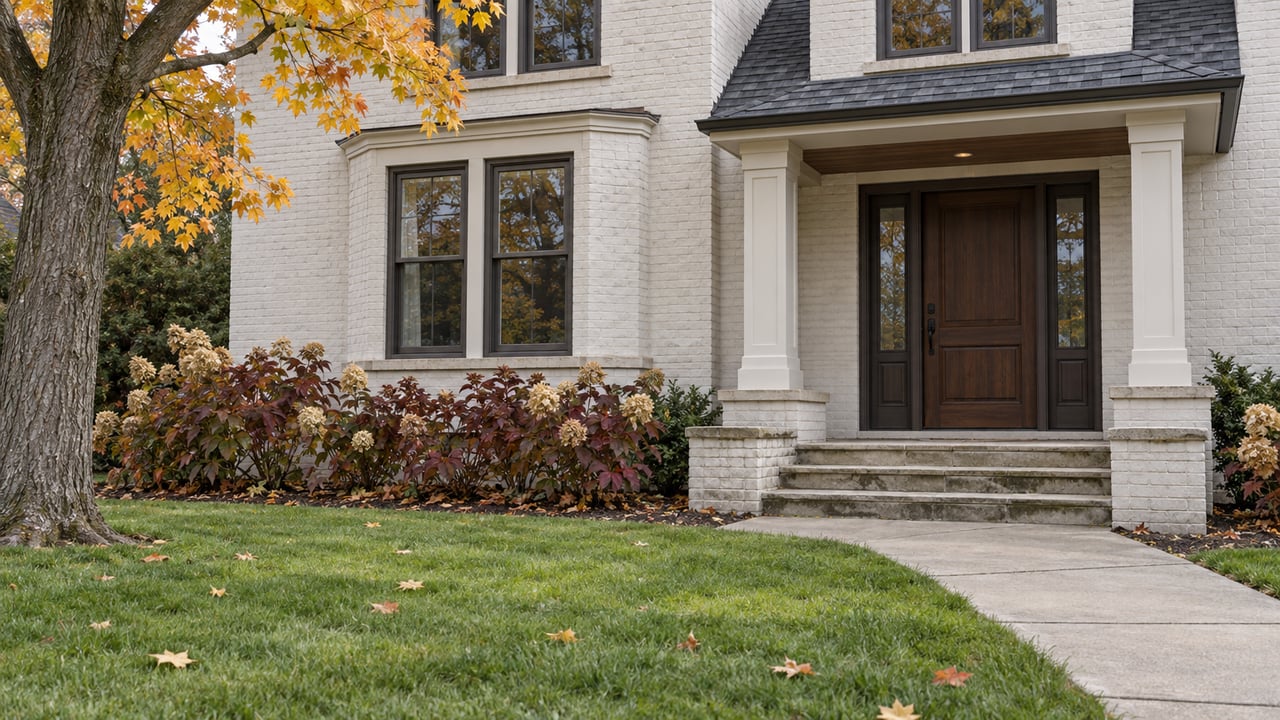
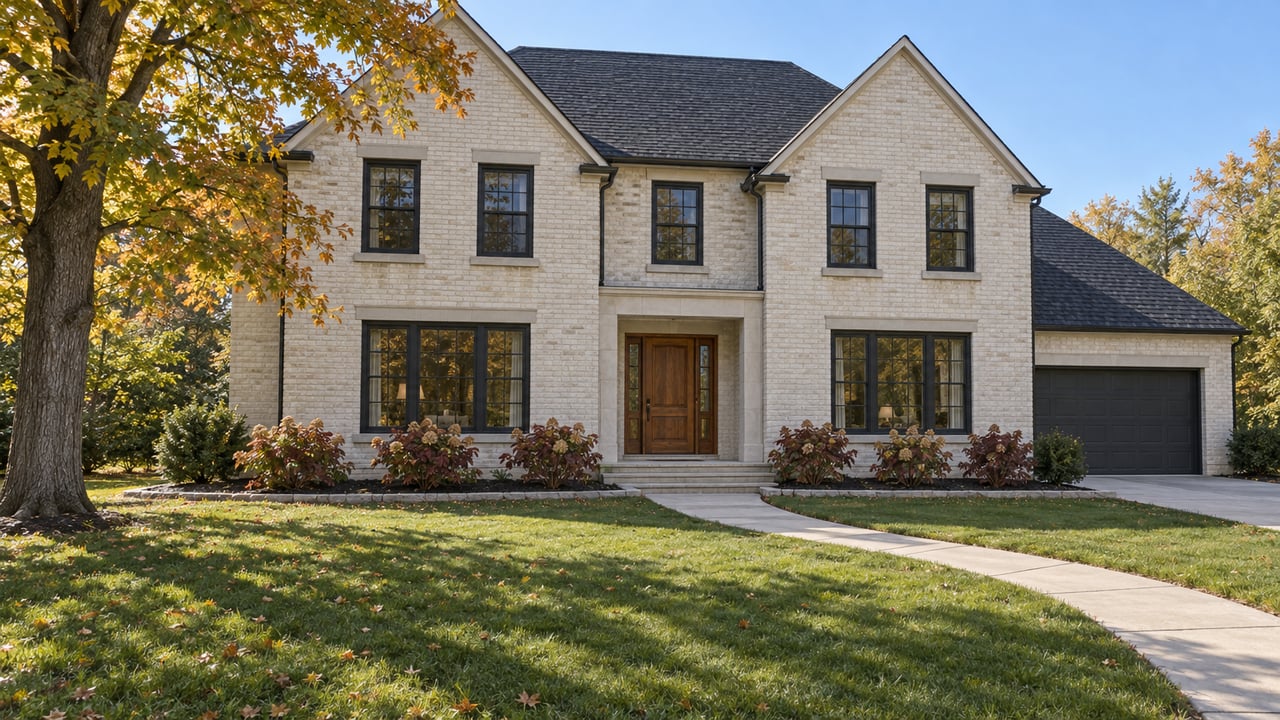
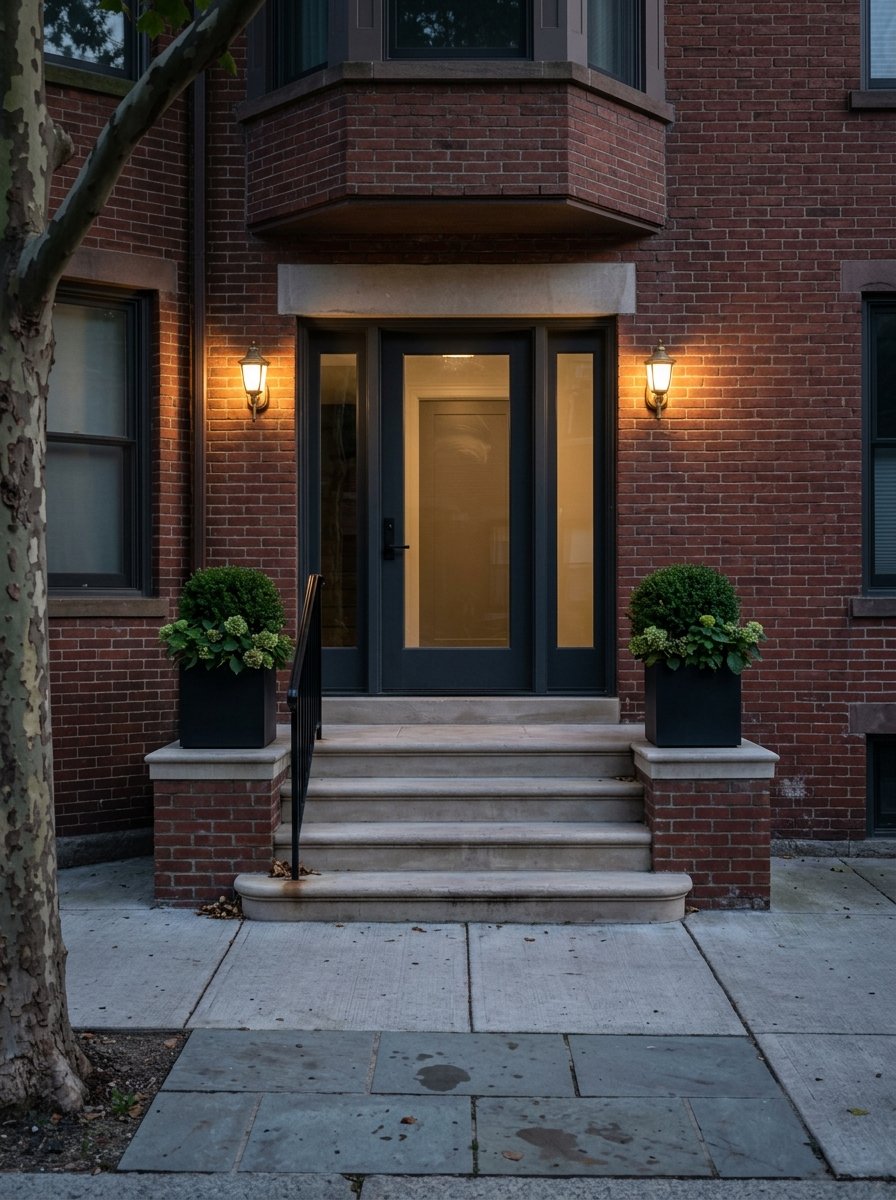
What many people notice first is the contrast. You have tree-lined residential streets, open green space, and then a set of active commercial corridors where errands, coffee, dining, and shopping all happen in a compact area. That combination gives the neighborhood a lived-in feel instead of a purely visitor-focused one.
The Streets Feel Varied
One of the biggest day-to-day differences in Lincoln Park is how much the feel can change from one block to the next. Interior residential blocks often come across as calmer, while the main retail corridors naturally feel busier and more social.
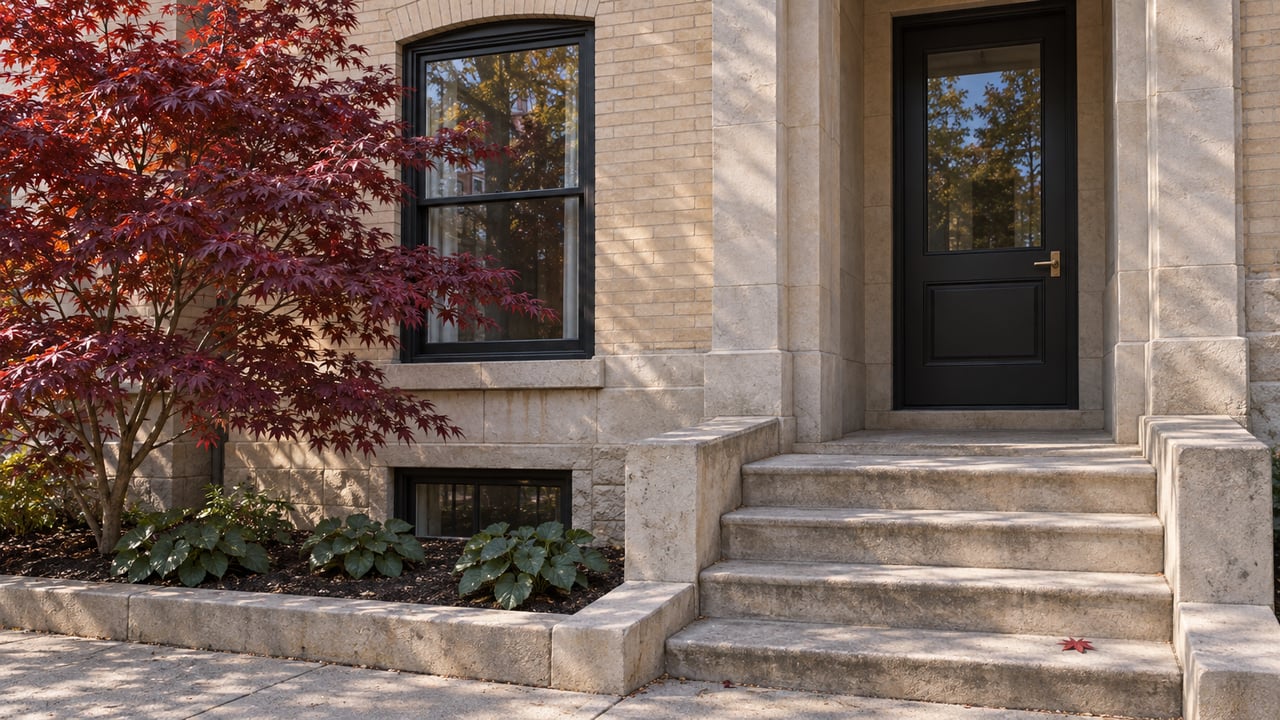
Around Armitage and Halsted, the setting is especially distinctive. The area is known for boutiques set among Victorian row homes, which gives it a lower-rise, street-facing character that feels intimate at sidewalk level. If you like neighborhoods that feel visually rich without feeling oversized, that tends to stand out.
Daily Life Often Happens on Foot
A big part of living in Lincoln Park is how easy it is to combine multiple stops into one outing. In practical terms, you might head out for coffee, pick up a few things, walk past a few shops, meet someone for dinner, and head home without making it feel like a major production.
That is partly because the neighborhood has several distinct commercial districts instead of just one main strip. The Lincoln Park Chamber identifies Armitage-Halsted, Lincoln-Halsted, Lakefront-Clark, and North-Clybourn as major corridors, and each brings a slightly different rhythm to daily life.
Clark Street Feels Like an Everyday Backbone
If you want one corridor that captures Lincoln Park’s day-to-day convenience, Clark Street is a strong example. It has more than 100 restaurants, boutiques, cafes, and neighborhood businesses, which makes it one of the neighborhood’s most active everyday destinations.
Clark Street also benefits from being near the lakefront and within walking distance of major attractions like Lincoln Park Zoo, the Peggy Notebaert Nature Museum, and the Chicago History Museum. That helps keep the area active throughout the day, not just in the evening.
For residents, that usually means the street functions as more than a dining district. It becomes a place where everyday errands and casual plans fit naturally into the same routine.
Shopping Is Not One-Size-Fits-All
Lincoln Park does not have a single shopping identity. Instead, different pockets serve different needs, which adds to the neighborhood’s practical appeal.
The Clybourn Corridor is known for national brands along with home-goods and furniture retail. Armitage-Halsted has a more boutique-oriented feel, with high-end clothing, handmade accessories, and one-of-a-kind gifts. If you live here, that variety makes the neighborhood feel more layered and useful from week to week.
The Park Shapes the Whole Experience
You cannot really talk about Lincoln Park living without talking about the park itself. Lincoln Park is the Chicago Park District’s largest park, at about 1,200 acres, and it draws about 20 million visitors a year.
That scale matters because the park is not just scenic background. It shapes the pace of everyday life. Whether you are walking, meeting friends, spending time outside, or just trying to clear your head after work, the park is part of the neighborhood’s routine.
Within and around the park, you also have some of the area’s best-known destinations, including Lincoln Park Zoo, Lincoln Park Conservatory, the Alfred Caldwell Lily Pool, and the South Pond and Nature Boardwalk area. These are not isolated attractions. They are woven into how people use the neighborhood regularly.
Weekends Tend to Be Active
Lincoln Park weekends often center on the parkfront. The Lakefront Trail, zoo, beach, gardens, and open space create a rhythm that feels active and seasonal.
The Lakefront Trail is an 18-mile paved route, and the bike and pedestrian paths are separated. It is used daily for both commuting and recreation, which tells you a lot about how integrated the lakefront is into normal life here.
North Avenue Beach adds another layer in warmer months. It is open from 6 a.m. to 11 p.m., with swimming allowed only during lifeguard hours in beach season, which runs from the Friday before Memorial Day through Labor Day.
In practical terms, warm-weather weekends can feel especially full. Runners, cyclists, beachgoers, and zoo visitors all add energy, while the trail and park remain useful even in colder months.
The Zoo Feels Like a Real Neighborhood Amenity
Lincoln Park Zoo plays a bigger role in daily life than many people expect. Because it is free every day, open 365 days a year, and requires no reservation, it works less like a special event destination and more like a place you can return to often.
That changes the feel of the neighborhood. Instead of treating the zoo as a once-in-a-while attraction, residents can fold it into a walk, a family outing, or a casual weekend plan. That kind of easy access helps make Lincoln Park feel distinctive on an everyday level.
Transit Makes Car-Light Living More Realistic
For many people, one of the most practical questions is whether you can live in Lincoln Park without relying heavily on a car. For many daily trips, the answer is often yes.
The Brown Line serves Diversey, Fullerton, Armitage, Sedgwick, Chicago, and nearby stops. Fullerton also connects to the Red and Purple lines. Clark/Division is a Red Line station with bus connections to routes 22, 36, 70, and 156, while Armitage connects to bus 73 and Fullerton connects to buses 37 and 74.
The Lincoln Park Chamber also notes access via bike lanes, the Kennedy Expressway, and the Clybourn Metra station for suburban connections. Put together, that transit mix gives many residents the option to walk, ride, bike, or train their way through a large share of normal weekly routines.
DePaul Adds Steady Energy
DePaul University is another major part of Lincoln Park’s everyday character. Its Lincoln Park campus is described as a traditional residential campus just north of downtown and within blocks of restaurants, the lakefront, the zoo, and the Chicago History Museum.
That presence brings steady activity to parts of the neighborhood without defining the entire area. Along with tourism, hospitality, and major institutions, DePaul helps create a place that feels lively and well-used while still maintaining a strong residential identity.
So What Does Living Here Really Feel Like?
In simple terms, Lincoln Park often feels like a neighborhood where you can have both movement and breathing room. You are close to downtown, but many blocks still feel local, leafy, and grounded.
Your day might include a train ride, a walk to coffee, time on a retail corridor, and an evening route near the park or lakefront. On weekends, the neighborhood often opens up even more, with the zoo, beach, and trail becoming part of the routine rather than a special occasion.
For buyers, especially condo buyers and downsizers who want city access without giving up neighborhood texture, that balance is a big reason Lincoln Park stays in the conversation. It is not just about landmarks. It is about how easily daily life comes together once you are here.
If you are considering a move to Lincoln Park and want practical guidance on which part of the neighborhood may fit your routine best, Tim Sullivan can help you compare options with clear local insight and responsive, one-on-one support.
FAQs
What does daily life in Lincoln Park Chicago feel like?
- Daily life in Lincoln Park often feels like a mix of quiet residential blocks, walkable retail corridors, major park access, and easy connections to the rest of Chicago.
Is Lincoln Park Chicago walkable for everyday errands?
- Yes, many daily errands can often be combined into a single outing thanks to active corridors like Clark Street and the neighborhood’s compact mix of shops, cafes, and restaurants.
Can you live in Lincoln Park Chicago without a car?
- For many daily trips, often yes, because the neighborhood has Brown Line and Red Line access, multiple bus connections, bike lanes, and walkable commercial areas.
What are the main weekend activities in Lincoln Park Chicago?
- Weekends often center on the parkfront, including the Lakefront Trail, Lincoln Park Zoo, North Avenue Beach, and park destinations like the conservatory and boardwalk areas.
What makes Lincoln Park Chicago visually distinctive?
- Lincoln Park stands out for its tree-lined streets, open green space, Victorian row homes around Armitage-Halsted, and its low-rise, street-facing retail character.
Does Lincoln Park Chicago feel more residential or touristy?
- It often feels like both in the best sense, with lively destinations near the park and lakefront balanced by quieter interior blocks and a strong everyday residential character.