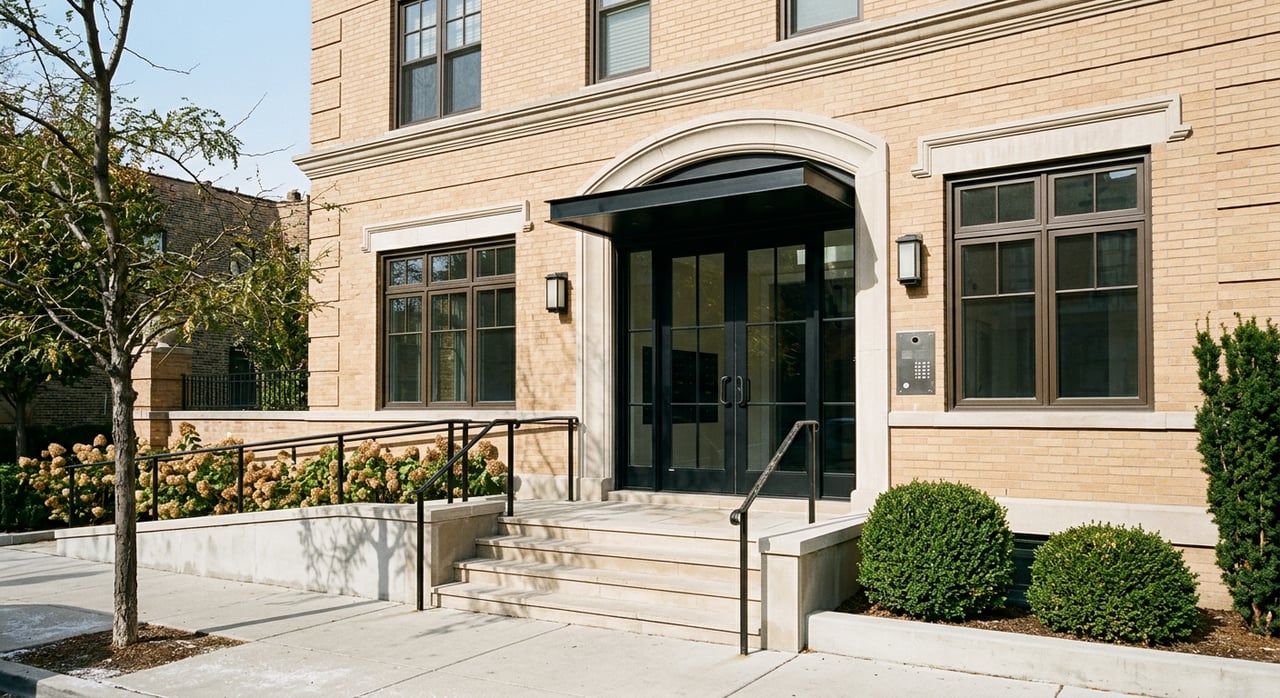
Thinking about trading yard work for lake views, parks, and walkable amenities? If Lincoln Park is on your shortlist, you’re in good company. The neighborhood offers a broad mix of condo options that fit busy professionals and downsizers who want convenience without giving up comfort. In this guide, you’ll learn how to size up buildings, read the key documents, plan for HOA costs, and avoid surprises so you can buy with confidence. Let’s dive in.
Lincoln Park market at a glance
Condo prices in Lincoln Park vary widely by building type, size, and location. Aggregators have reported neighborhood medians in the mid to upper 700s across all home types, while specific condo prices range from smaller high‑rise one‑bedrooms to premium lake‑adjacent residences. The right number for you will come from recent comps in your target building and micro‑area, not a single citywide median.
What keeps values strong here is simple: proximity to Lake Michigan and Lincoln Park itself, plus transit and retail corridors that make daily life easy. The neighborhood’s namesake park and attractions, including the Lincoln Park Conservatory, continue to drive steady demand.
Know your micro‑area
Lincoln Park covers a large footprint from Diversey Parkway to North Avenue and from the Chicago River to Lake Michigan. Sub‑areas you will see in listings include Old Town Triangle, RANCH Triangle, Park West, Sheffield Neighbors, Wrightwood, Lincoln Central, Mid‑North, and the DePaul area. Get familiar with the map and labels so you can compare like with like. For a quick orientation, see the Lincoln Park overview.
Lakefront and Park West
These blocks often feature mid‑ and high‑rise buildings with front‑row park access. Expect more amenities and staff services in many towers, which can translate to higher monthly assessments. Lake proximity also increases buyer competition for updated units with views.
DePaul and Sheffield Neighbors
Closer to campus and Armitage retail, the mix includes courtyard buildings, vintage conversions, and newer mid‑rise options. Parking can be limited in vintage stock, so confirm your parking plan early if you need a dedicated space.
Old Town Triangle and Mid‑North
Tree‑lined streets and historic architecture are common draws. Low‑rise and vintage buildings may have smaller associations and fewer amenities, which can mean lower assessments but also varied reserve strength. Read the building’s financials closely.
Match your building type to your needs
Vintage walkups and greystones
You may love the charm, light, and unique layouts. These smaller associations can offer lower assessments but might have uneven reserve funding. If elevators, central air, or onsite parking matter to you, verify those features because many vintage buildings do not include them.
Mid‑ and high‑rise towers
Doorman service, gyms, elevators, and garage parking are common. Larger systems like facades, roofs, and elevators require steady reserve planning. Well‑run towers budget for long‑term projects so owners are not hit with frequent special assessments.
Newer luxury construction
Expect higher price per square foot and modern finishes. Amenities and building services can be excellent, which often results in higher monthly assessments. Review the budget to confirm reserves are building as the property ages.
The resale packet is your most important file
Illinois law requires that certain documents be available to prospective buyers upon written request during a resale. Under Public Act 102‑0976, the association must provide the packet within 10 business days of a written request. The fee must be reasonable and cannot exceed 375 dollars, with an optional 100 dollar rush fee for a 72‑hour turnaround. Review these materials early because they can surface deal‑making red flags. See the statute summary here: Illinois Public Act 102‑0976.
Here is what to scan first when your packet arrives:
- The last available financial statement and current budget
- The reserve fund balance and any amounts earmarked for specific projects
- Anticipated capital expenditures this year and the next two years
- Any special assessments in place or pending
- Pending litigation and the association’s insurance statement
- Statement of unpaid assessments or liens for the unit
- The recorded declaration, bylaws, and rules, plus any recent amendments
Reserves, assessments, and your monthly cost
Illinois’s Condominium Property Act requires budgets to include reasonable reserves for capital expenditures and deferred maintenance. Boards must consider factors like repair costs, the useful life of components, available reserve studies, and market impact when setting those reserves. Review the law’s reserve guidance to understand the baseline: 765 ILCS 605.
Industry best practice recommends a professional reserve study and regular updates. A commonly cited rhythm is a full study every three to five years, with interim updates in between. Active reserve planning helps reduce the risk of large surprise assessments. For context on reserve policies and state standards, see the Community Associations Institute.
Monthly HOA assessments in Lincoln Park can vary from the low hundreds to over 1,000 dollars per month. What they include matters. Typical coverage can include building maintenance, master insurance, heat and water, management, doorman or security, elevator service, amenities like a fitness room, garbage and snow removal, and landscaping. Build a clear monthly picture by adding HOA dues, property taxes, and your HO‑6 condo policy. Ask whether parking, cable, internet, or utilities are included.
Parking, storage, and move logistics
Parking arrangements can be the difference between a perfect fit and a daily headache. Deeded parking means the spot is part of your unit ownership and transfers with your deed. Leased or licensed parking can be month to month or annual and may not transfer with the unit. Confirm in writing whether your space is deeded, assigned by the association, or rented from a third party. If you need a second space, ask about waitlists and current market rates. It is reasonable to see garage rentals around the mid‑hundreds per month in some buildings.
Street parking in Chicago often involves resident permits in designated zones, along with guest pass systems. If you plan to host visitors frequently, ask how your building and street manage guest parking. Storage lockers, bike rooms, and package rooms also vary by building. Make sure your everyday items fit your storage plan.
Move‑in and move‑out logistics are highly regulated in many buildings. Expect elevator reservations, vendor insurance requirements, and move fees or refundable deposits. Your resale packet and building rules should outline these costs and procedures so you can plan the timeline and budget accordingly.
Financing and project eligibility
Condo loans are not just about your credit and income. Lenders also assess the project’s eligibility, including owner‑occupancy levels, reserve funding, delinquency rates, investor concentration, insurance coverage, and more. Fannie Mae’s framework controls which loans it will purchase, and that can affect your loan terms and down payment. Review the basics with your lender using Fannie Mae’s project standards overview.
If you plan to use FHA financing, verify the building’s approval status up front or whether a single‑unit approval is possible. FHA rules differ from conventional lending, and approval status can affect your options and timing. Start with your lender and this FHA resource: FHA single‑family info.
Bottom line: ask your lender to check project eligibility for any building you are considering before you write an offer. If a project is not eligible, you may need a larger down payment, a different loan program, or a longer timeline.
Quick buyer checklist
Use this list to move faster and avoid surprises. You can delegate many items to your agent, lender, and attorney.
- Request the resale packet right away. Illinois requires delivery within 10 business days of a written request and caps the fee at 375 dollars, with an optional 100 dollar rush fee. Start your review with reserves, capital plans, and litigation. See Illinois Public Act 102‑0976.
- Read recent board minutes. They often reveal upcoming projects, repeated maintenance issues, and the board’s thinking on reserves and assessments. For context on resale packages and what to expect, see this HOA resale package overview.
- Ask for the most recent reserve study. If none exists or it is outdated, treat future assessments as a higher risk. Industry guidance on reserves is summarized by the Community Associations Institute.
- Clarify what your HOA dues include. Confirm heat, water, master insurance, internet or cable, amenities, parking, and any utility coverage. Add HOA dues, taxes, and HO‑6 insurance to calculate your full monthly carrying cost.
- Verify parking status and costs. Confirm whether your spot is deeded or leased, whether it transfers, and the availability and pricing of additional spaces. Ask about guest parking options.
- Review leasing and short‑term rental rules. If you might rent the unit later, confirm any owner‑occupancy minimums and minimum lease terms. Chicago also has shared‑housing rules that buildings may reference. A quick primer is here: Chicago shared housing summary.
- Check project eligibility with your lender. If the building does not meet conventional or FHA requirements, your loan program or down payment could change. Share this Fannie Mae project standards link with your lender and verify any FHA options with HUD.
- Order a condo‑savvy inspection. For older towers, consider specialists for elevators, facade or envelope, garage structure, or plumbing risers if the history suggests concerns.
- Confirm master and unit insurance. Review the association’s master policy and deductibles and match your HO‑6 coverage to fill any gaps.
- Budget for one‑time fees. Plan for resale packet charges, move fees or deposits, transfer fees, and possible elevator reservation costs. Your packet and rules should list these.
Final thoughts and next steps
If you are a busy professional or downsizer, a little front‑end homework can save you weeks. Ask for the resale packet and a lender project‑eligibility check before you start touring. Zero in on your preferred micro‑areas, confirm your parking plan, and compare buildings by reserves and rules, not just finishes. When you are ready to move forward, connect with a local guide who will keep you on schedule and protect your interests.
Have questions about a specific building or want help reviewing a resale packet? Schedule a consultation with Tim Sullivan to map your next step in Lincoln Park.
FAQs
What are typical HOA fees for Lincoln Park condos?
- Fees vary widely by building age and amenities. Expect a range from the low hundreds to over 1,000 dollars per month, depending on services like heat, doorman, and fitness rooms. Ask for an itemized list of what dues cover.
What is an Illinois condo resale packet, and why does it matter?
- Illinois requires associations to provide key documents within 10 business days of a written request, with fees capped at 375 dollars plus an optional 100 dollar rush fee. The packet discloses reserves, capital plans, litigation, and any unit liens or unpaid assessments. See Public Act 102‑0976.
How do reserves and special assessments affect my purchase?
- Reserves fund long‑term projects and reduce the risk of large assessments. Illinois law requires budgets to include reasonable reserves, and industry best practice is to update reserve studies regularly. Review the latest study and reserve balance. See 765 ILCS 605 and CAI guidance.
Will my Lincoln Park condo qualify for conventional or FHA loans?
- It depends on the building’s project eligibility, including reserves, insurance, owner‑occupancy, and delinquency rates. Have your lender check conventional rules via Fannie Mae’s project standards and any FHA options early.
Can I use a Lincoln Park condo for short‑term rentals?
- Many associations restrict short‑term rentals, and Chicago has shared‑housing regulations. If you plan to rent, confirm the building’s leasing rules and any minimum lease terms in the governing documents. A useful overview is here: Chicago shared housing summary.