
Thinking about selling your Orland Park home? Smart prep can help you attract more buyers, reduce repair requests, and move with confidence. You want a clear plan that fits our local market and your timeline. In this guide, you’ll get a practical 12-week roadmap, high-impact updates, room-by-room staging tips, and Orland Park must-knows like basements, radon, permits, and disclosures. Let’s dive in.
Why prep matters in Orland Park
Buyers in Orland Park often look for move-in-ready homes with refreshed kitchens and baths, a clean and functional basement, and strong curb appeal. Well-prepared homes tend to photograph better, show better, and face fewer surprises during inspection. In our Chicagoland climate, planning for seasonality and weather also keeps your listing on track.
Your 12-week prep plan
Break your prep into three phases. Start early on safety and systems, then move to cosmetic refreshes, and finish with show-ready details and strong listing materials.
Phase 1: 8–12+ weeks out
Focus on big-ticket items and risk reduction.
- Consider a professional pre-list inspection to uncover roof, foundation, HVAC, electrical, or plumbing issues. It helps you address problems on your timeline and reduces negotiation friction.
- Tackle structural and safety repairs:
- Roof: repair damaged shingles and flashing, clean gutters.
- Foundation and drainage: patch visible cracks, improve grading, test the sump pump.
- Basement moisture control: fix leaks, service the sump pump, use a dehumidifier as needed.
- Electrical and plumbing: correct exposed wiring, add GFCI/AFCI protection where required, address outdated or unsafe components.
- HVAC: service furnace and AC, replace filters, and gather maintenance records.
- Check permits and code: verify major past renovations were permitted and inspected. If you find gaps, discuss options for disclosure or retroactive permits with the Village of Orland Park or your agent.
- Environmental checks:
- Radon: testing is recommended in our area. The EPA action level is 4 pCi/L. Plan time for testing and mitigation if needed.
- Lead-based paint: if your home was built before 1978, federal disclosure rules apply.
- Sewer and plumbing: investigate any signs of sewer backups or lateral line issues.
- Reserve major cosmetic projects only if needed: large exterior trim or roof replacements, or full kitchen/bath remodels if your price point and timeline support it. Often, targeted refreshes are the better path.
Phase 2: 4–6 weeks out
Make visible improvements buyers notice immediately.
- Paint: apply fresh, neutral paint to walls, ceilings, and trim. Light colors make rooms feel larger and brighter.
- Floors: refinish or repair scratched hardwood, replace tired carpet, and fix any cracked tiles.
- Kitchen refreshes: repaint or reface cabinets, add new hardware, update the faucet, and consider a simple backsplash or countertop swap if it will visibly elevate the space.
- Bathrooms: re-caulk tubs and showers, clean or regrout tile, replace dated lighting and fixtures, and update mirrors or hardware.
- Lighting: swap dim fixtures for brighter, warm LEDs. Ensure consistent color temperature room to room.
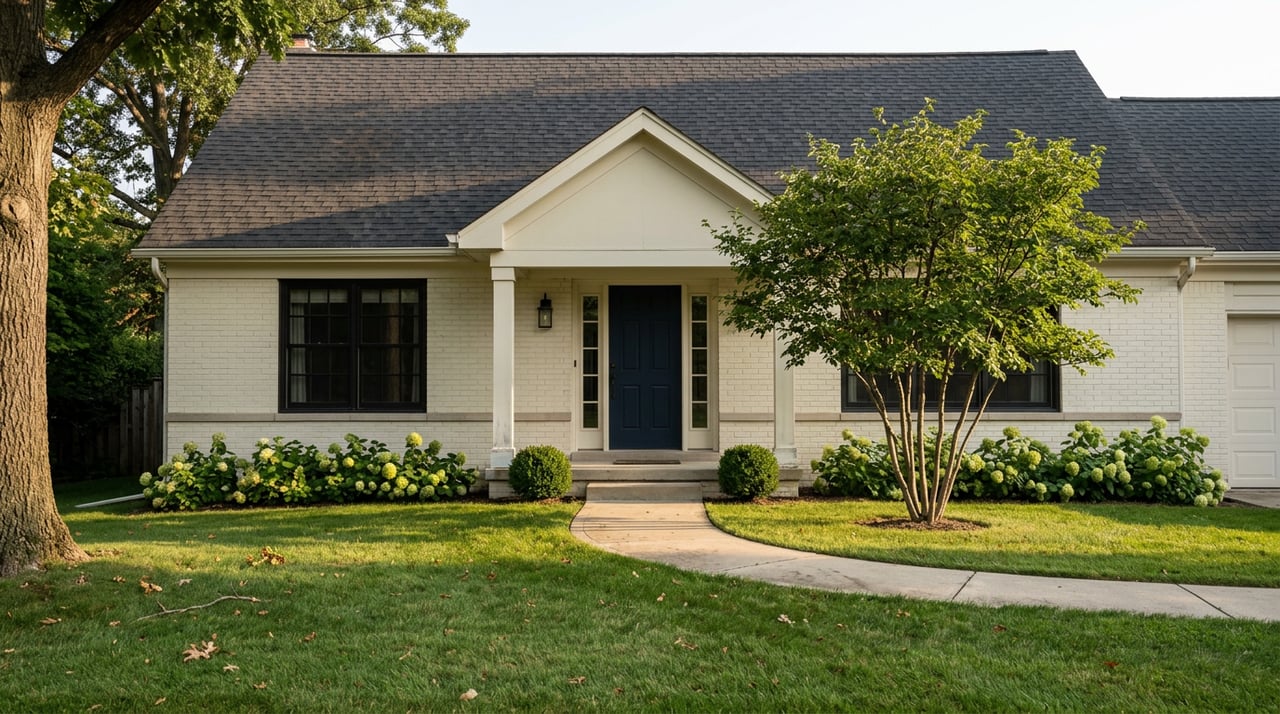
- Curb appeal: mow and edge the lawn, prune shrubs, add fresh mulch, and plant seasonal flowers. Power-wash siding and paths as needed.
- Front entry: paint the door, update hardware and house numbers, and clean or replace the porch light.
- Garage and driveway: repair cracks and power-wash or seal where needed.
- Declutter and depersonalize: remove extra furniture and personal items so rooms read as spacious and move-in ready.
Phase 3: 0–2 weeks out
Polish the presentation and prepare for showings and negotiations.
- Deep clean: windows, baseboards, vents, carpets, and hard-to-reach corners.
- Staging: use full or partial professional staging, or refine your layout for flow and balanced scale.
- Marketing assets: hire a professional photographer, include a floor plan, and consider a 3D tour. Daylight photos perform best.
- Optional home warranty: a seller-paid warranty can reduce buyer anxiety about older systems.
- Sell packet: compile maintenance records, appliance manuals, permit history, and any recent inspection or radon reports.
- Seasonal touch-ups: in fall, clear leaves; in winter, shovel and salt walkways and keep the home comfortably heated for showings.
Room-by-room staging that sells
Staging is about light, space, and function. Aim for clean lines, neutral color, and simple styling.
Curb appeal and entry
- Keep the lawn trimmed, hedges neat, and mulch fresh.
- Paint the front door in a tasteful accent color and clean hardware.
- Ensure bright, welcoming lighting and a simple mat.
Living room and main floor
- Remove extra furniture to open sight lines. Position seating to highlight a focal point like a fireplace or window.
- Replace heavy drapes with light-filtering treatments and add a neutral rug for warmth.
- Clear visible clutter and keep accessories simple.
Kitchen
- Clear countertops, leaving one or two styled items.
- Clean inside cabinets and the pantry. Buyers look.
- Update hardware and consider a simple backsplash if the current one is dated.
- Show off clean, functioning appliances and ample workspace.
Primary bedroom and closets
- Keep the palette calm and neutral with a made bed and balanced lamps.
- Reduce closet contents to highlight storage capacity.
Bathrooms
- Make tile and grout sparkle. Replace discolored caulk.
- Update fixtures and lighting if dated. Set out clean, neutral towels.
Basements and bonus spaces
- Finished basements: stage as a living area, playroom, gym, or office so buyers see real utility.
- Unfinished basements: clear clutter, show storage potential, and display a clean, working sump pump and dehumidifier.
- Be transparent about any past moisture events and remediation. Documentation builds trust.
Outdoor living
- Stage patios or decks with modest furniture to show function.
- Check fences and sheds for safe, workable condition.
Orland Park specifics to plan for
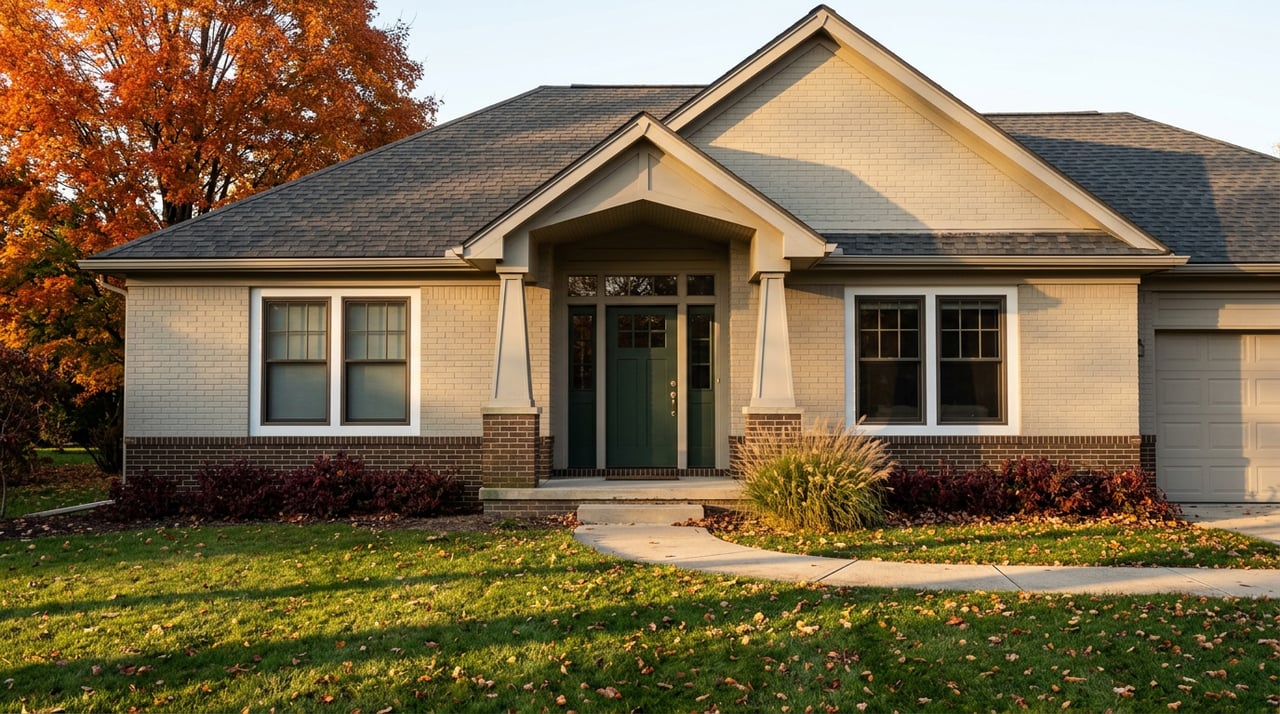
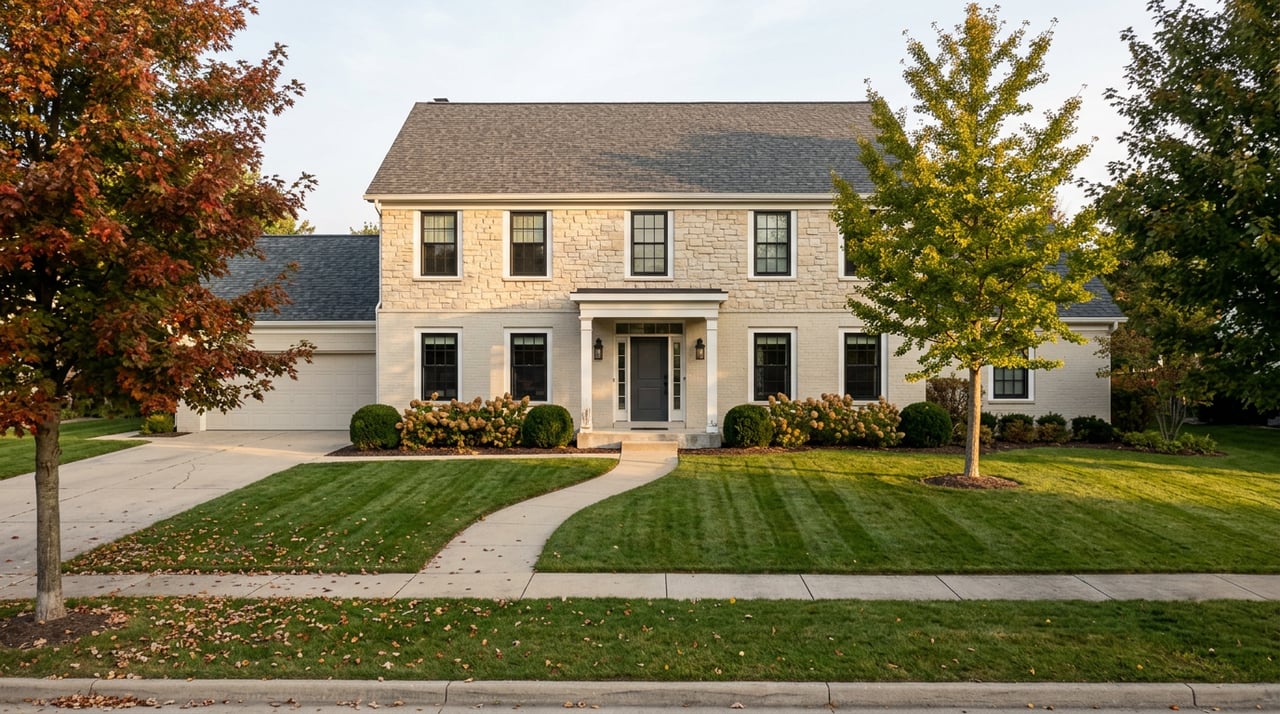
- Housing styles: You will see mid-century ranches and splits, two-story Colonials, and newer subdivision builds. Garage and driveway space is a common consideration.
- Basements and water: Basements are a selling point and an inspection focus. Show drainage improvements, sump pump maintenance, and any warranties for past work.
- Radon: Testing is common locally. If levels are at or above 4 pCi/L, mitigation is recommended and systems are widely accepted.
- Permits and disclosures: Follow Illinois disclosure rules, including the Illinois Residential Real Property Disclosure Act. If your home was built before 1978, include federal lead-based paint disclosures. Verify permit history for major updates.
- Seasonality: Spring and early summer often bring higher buyer traffic, but quality preparation helps in any season.
- Taxes and services: Buyers often ask about Cook County property taxes and assessed values. Include your latest tax bill and parcel number in the sell packet.
- Schools and HOAs: Provide accurate school assignments and, if applicable, HOA bylaws and dues. Keep the language neutral and factual.
What to include in your sell packet
- Maintenance and repair records for roof, HVAC, plumbing, electrical, and foundation work
- Appliance manuals and receipts
- Permit history for major renovations and finishes
- Radon test results and mitigation documentation
- Any pre-list inspection reports and invoices for completed work
- Recent utility summaries
- Most recent property tax bill and the assessor parcel number (APN)
- HOA bylaws, fee details, and any pending assessments (if applicable)
Budget priorities that protect your net
Spend first where buyers and inspectors will focus, then move to visual upgrades and presentation.
- Safety and systems: roof, foundation, drainage, electrical, plumbing, HVAC
- Curb appeal: landscaping, front door, lighting, and driveway touch-ups
- High-visibility interiors: paint, floors, lighting, and hardware
- Smart kitchen and bath refreshes: targeted updates instead of full remodels when timeline or budget is tight
- Professional presentation: staging and photography often deliver outsized returns relative to cost
A simple timeline at a glance
- 12+ weeks: structural, roof, foundation, and drainage repairs; order radon test; start permits if needed
- 8–10 weeks: service HVAC, address plumbing and electrical issues; plan kitchen and bath refreshes
- 4–6 weeks: paint, repair or refinish flooring, update lighting, refresh landscaping, declutter
- 2–3 weeks: staging, professional photos, floor plan, create your sell packet
- 0–7 days: deep clean, final curb appeal touch-ups, prep for showings
Get inspection-ready and reduce friction
Buyers in our area often focus on a few hotspots. Address these early to avoid delays.
- Sump pumps and backups: install or service a backup pump and test the system
- Basement finishes: confirm any finished areas were permitted and are code compliant
- Aging systems: verify the age and condition of the water heater, furnace, and AC and share service records
- Exterior drainage: extend downspouts, correct grading, and keep gutters clear
- Electrical capacity: replace outdated panels or components as advised by a licensed electrician
Ready to list with confidence
With a clear plan, you can present a polished, well-documented home that stands out in Orland Park. If you want help prioritizing repairs, lining up trusted contractors, and executing a strong staging and marketing plan, connect with Tim Sullivan for a tailored pre-list strategy.
FAQs
Should I get a pre-list inspection in Orland Park?
- Yes, it can uncover issues early, help you control repair costs and timing, and reduce last-minute negotiations once you go under contract.
What updates give the best ROI before selling?
- Prioritize safety and systems, then focus on curb appeal, fresh neutral paint, flooring fixes, lighting updates, and targeted kitchen and bath refreshes.
How should I handle radon before listing?
- Test early so you have results ready; if levels are at or above 4 pCi/L, plan for mitigation and include documentation in your sell packet.
How do I stage a finished vs. unfinished basement?
- Finished spaces should show a clear purpose like media, play, or office zones; unfinished areas should be clean and decluttered to highlight storage and utility.
What disclosures do Illinois sellers need to provide?
- Complete the Illinois Residential Real Property Disclosure and, for homes built before 1978, include the federal lead-based paint disclosure and any required notices.
When should I start prepping my Orland Park home?
- Begin 8 to 12 weeks before listing for major repairs and testing, then move to cosmetic updates and final staging in the last month.
Is a seller-paid home warranty worth it?
- It can reassure buyers about older systems and reduce post-inspection concerns, especially if your furnace, AC, or water heater is approaching end of life.